
Pokies infinite session result is the kind of phrase that sounds like marketing shorthand until you actually sit down and watch a player stack spins across a long afternoon. As managing director insight from Aruze Gaming Australia to casino product strategy, supplier trust, and regulated-market execution, I’ve learned that session length is not a feature you bolt on after launch – it’s a product decision that exposes your maths, your payments, and your compliance posture all at once. In Australia, where point-of-consumption taxes now capture revenue where bets are placed, a long-running session is a ledger event as much as a gameplay one.
How a long-running pokie session actually behaves
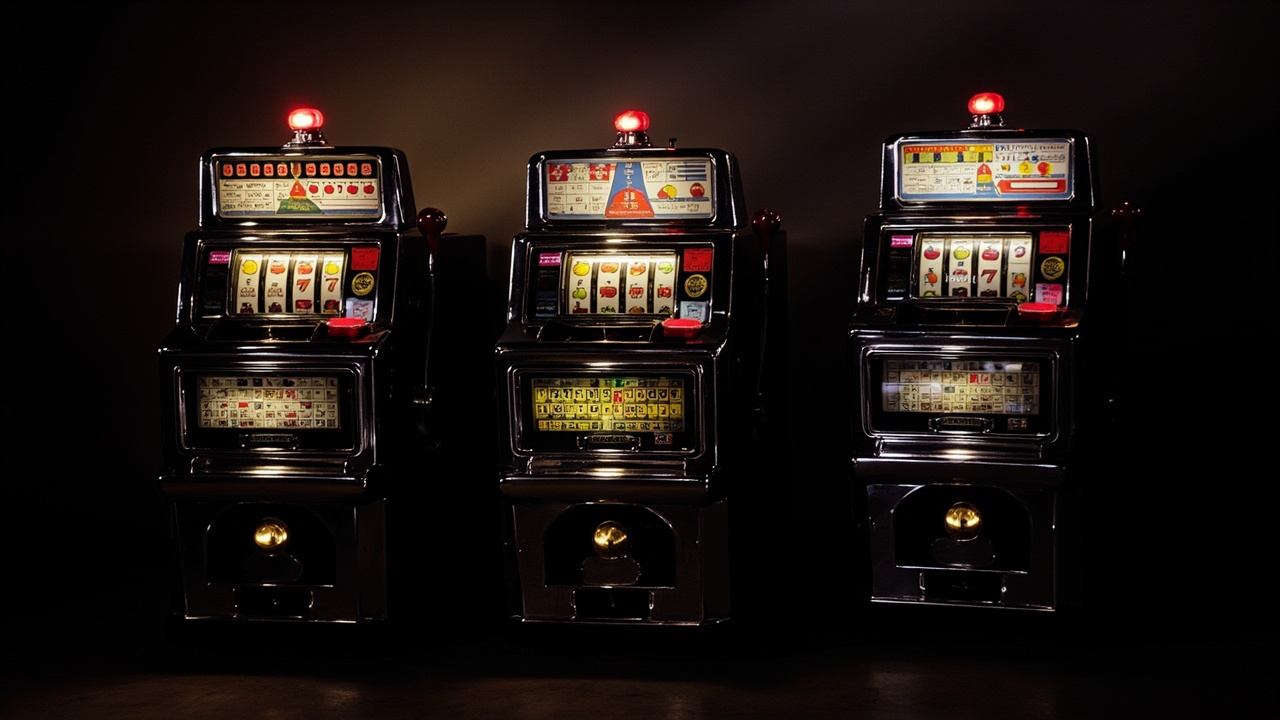
A session that runs past the first coffee is rarely about one big win. It’s about rhythm, bet sizing, and the way a game’s volatility holds a player’s attention without burning through a bankroll in ten minutes. The practical test for any operator is whether the product keeps its promise when the clock ticks past the arvo and the room gets noisy.
When I compare that to supplier relationships I’ve managed, the trust question comes down to transparency in the maths and the paytable, not the flashiness of the intro sequence. A straight up bet on a single number pays 35 to 1, and that kind of clear, fixed payoff is the sort of thing players notice when they’re reading a game’s logic rather than just mashing the spin button. If a product can’t hold that level of clarity across a long session, the experience starts to feel hollow before the balance does.
There’s also the practical side operators sometimes underinvest in: the registration flow, the mobile load time, and the way support responds when a session goes sideways. A player who stays for hours is a player who has already passed the first friction point, so what happens next – cash-out timing, loyalty accrual, chat response – decides whether they come back tomorrow or write the place off as a one-off.
Reading the maths behind an extended session
The first thing to understand is that an extended session is not the same thing as a profitable one. Volatility, hit frequency, and bet size all interact, and a game that feels smooth for forty minutes can turn sharp the moment the variance swings. The responsible way to think about it is to treat session length as a signal, not a promise.
Hedge your bets is a phrase that gets thrown around in product meetings, but in a casino context it really means spreading risk across outcomes and session types rather than banking on one long run to do the heavy lifting. That matters for operators because a single volatile title can skew a whole day’s data, and it matters for players because a marathon session is only sustainable if the bet sizing matches the bankroll instead of the mood. chip in a big candy casino $100 free chip
State point-of-consumption taxes now capture revenue where bets are placed, which means the economics of a long session are being measured at the local level, not just at the corporate level. For an operator running in a regulated market, that creates a direct link between session behaviour and compliance reporting. It also means the product has to be honest about what it is: entertainment with a cost, not a quiet pathway to a guaranteed outcome.
The supplier trust angle sits right next to that. When I’m judging whether a game belongs in a regulated portfolio, I’m looking at whether the documentation, the certification trail, and the support response times line up with the way the game actually behaves on the floor. A long session exposes every weak seam in that chain, because a player who stays long enough has time to notice the slow withdrawal, the vague terms, or the support agent who can’t answer a simple question about a bonus mechanic.
Player-fit scenarios for session-length thinking
The casual weekday player
This is the person spinning after work with a fixed amount in mind and no interest in turning the session into a second job. For them, the value of a long-running pokie is simple: the game should stay readable, the bet levels should make sense, and the pace shouldn’t force them into bigger stakes just to keep the action going. A product that respects that boundary tends to keep the player coming back without turning the session into a regret.
The weekend marathon player
This player is here for the stretch, the noise, the social rhythm of a long arvo in front of the screen. They’re not necessarily chasing a specific win; they’re buying time and entertainment. What matters here is consistency – the same game should feel familiar across an hour, three hours, and then some, without hidden escalations or bonus terms that only show up after the balance has already moved. If the product can hold that consistency, it earns the repeat visit.
The numbers-minded player
This one reads the paytable, tracks bet size, and treats the session like a controlled experiment rather than a night out. They’re the player most likely to notice the difference between a game that is genuinely clear and one that is just dressed up. For them, the straight up clarity of a fixed payoff matters because it tells them the rules are legible before they commit. That kind of legibility is what separates a product worth trusting from one that only looks tidy on launch day.
In Brisbane, where the pace of the week can swing hard between a quiet office afternoon and a packed weekend session, the same product has to work for both without pretending they’re the same person. That’s the test I’d apply before signing off on any pokie portfolio: does the game still make sense when the player’s mood, bankroll, and available time all shift in the same evening?
What this means for choosing a session-friendly setup
If you’re choosing where to spend a long session, the practical question is whether the operator’s setup matches the way you actually play. That means checking the bet range, the mobile experience, the clarity of the bonus terms, and the way support handles a question that comes up halfway through the night. It also means being honest with yourself about bankroll and time, because a session that runs forever is only useful if it stays within the limits you set before the first spin. Sportingnews
A session-friendly setup is not about chasing a particular outcome. It’s about finding a product that behaves consistently enough that you can make a sensible decision about when to stop, when to reduce the stake, and when the entertainment has done what you wanted it to do. That’s the standard I’d use from a product strategy angle, and it’s the same standard that keeps a regulated operation out of trouble when the taxman, the compliance team, and the player all start asking different questions from the same session data.
The best session is the one that ends with you still in control of the decision.